
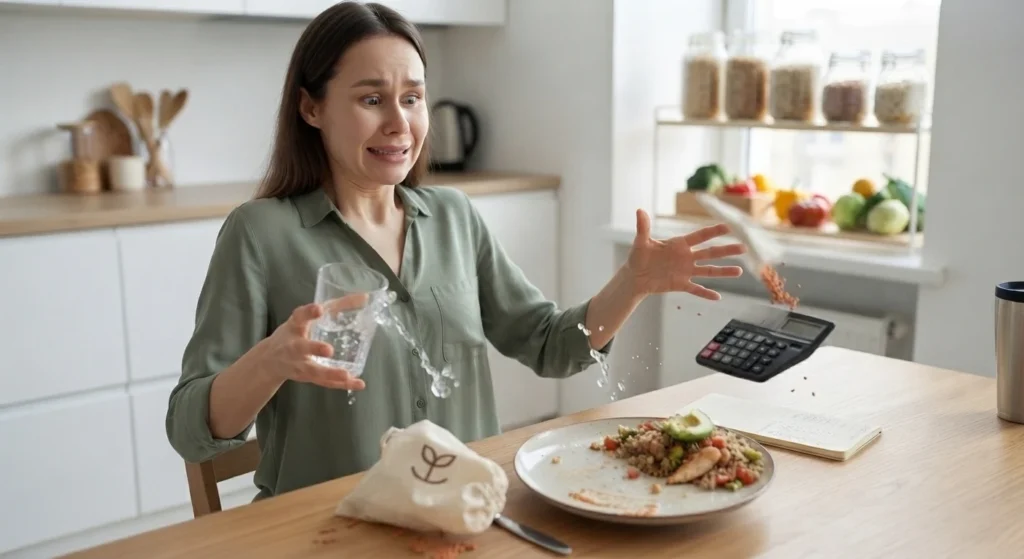
A synonym for fumbling helps you describe awkward movements, speech hesitation, or careless mistakes with absolute precision. Imagine dropping your keys during a big presentation or stumbling over your words during an interview.
Finding the right synonym for fumbling allows you to capture that exact moment of physical or verbal awkwardness naturally. A quick shift in vocabulary changes how readers picture your story.
Exploring a synonym for fumbling expands your descriptive range across sports, daily conversations, and creative writing. Mastering these alternatives benefits students, bloggers, content writers, and daily English speakers alike.
What Does “Fumbling” Really Mean?
Fumbling describes handling things clumsily, dropping objects, or moving hands awkwardly while trying to act. It also refers to hesitating, faltering, or making errors during speech or decision-making.
Native speakers use fumbling to convey physical awkwardness, verbal confusion, or tactical mistakes under pressure. You will frequently hear it in sports commentary, public speaking feedback, and dramatic storytelling.
- Part of Speech: Verb (Present Participle) / Adjective / Noun
- Definition: Moving, handling, or speaking clumsily, awkwardly, or uncertainly.
Connotative Meaning
Connotation is the cultural or emotional association that a word carries beyond its explicit definition.
- Positive tone: Can occasionally suggest endearing, innocent clumsiness or relatable human vulnerability.
- Negative tone: Implies incompetence, careless mistakes, physical awkwardness, or failure under stress.
- Neutral tone: Simply describes physical hesitation or clumsy handling of physical objects.
Etymology
The word fumbling comes from Scandinavian roots like Old Norse fumba (to stumble or act clumsily) or Dutch fommelen (to feel about clumsily).
- Old English (450–1100): Not present in Old English; native Germanic terms for clumsiness were used instead.
- Middle English (1100–1500): Evolved into fomblen, meaning to grope about in the dark or handle blindly.
- Modern English (1500–Present): Expanded from physical groping to cover verbal hesitation and sports errors.
Pronunciation (US & UK – IPA)
- US: /ˈfʌm.blɪŋ/
- UK: /ˈfʌm.blɪŋ/
Syllables
fum-bling
Affixation Pattern
- Root: Fumble (from Middle English fomblen)
- Prefix: None
- Suffix: -ing (participle-forming suffix indicating ongoing action)
Synonyms List
Bumbling (Adjective/Participle) — US: /ˈbʌm.blɪŋ/ | UK: /ˈbʌm.blɪŋ/
- Meaning: Acting in a clumsy, confused, or incompetent manner while attempting tasks.
- Tone/Register: Informal / Light Negative
- Example 1: The bumbling detective dropped his notepad right in front of the suspect.
- Example 2: He gave a bumbling answer because he had not prepared for the meeting.
Stumbling (Participle/Adjective) — US: /ˈstʌm.blɪŋ/ | UK: /ˈstʌm.blɪŋ/
- Meaning: Tripping physically while walking or hesitating repeatedly during speech.
- Tone/Register: Neutral / General English
- Example 1: The nervous student was stumbling over her words during the presentation.
- Example 2: She walked carefully down the dark hallway to avoid stumbling on toys.
Botching (Participle/Verb) — US: /ˈbɑː.tʃɪŋ/ | UK: /ˈbɒtʃ.ɪŋ/
- Meaning: Carrying out a task carelessly, resulting in a completely ruined job.
- Tone/Register: Informal / Critical Negative
- Example 1: The inexperienced painter was botching the trim work on the doors.
- Example 2: He ended up botching his speech by forgetting his main arguments.
Blundering (Participle/Adjective) — US: /ˈblʌn.dɚ.ɪŋ/ | UK: /ˈblʌn.dər.ɪŋ/
- Meaning: Making foolish, serious, or careless mistakes while moving or making decisions.
- Tone/Register: Neutral to Formal / Critical
- Example 1: The blundering tourist accidentally walked into a restricted office area.
- Example 2: Her blundering management choices caused serious delays for the project.
Flandering (Participle) — US: /ˈflaʊn.dɚ.ɪŋ/ | UK: /ˈflaʊn.dər.ɪŋ/
- Meaning: Struggling helplessly or moving awkwardly in water, mud, or deep confusion.
- Tone/Register: Neutral to Formal / Literary
- Example 1: The swimmer was floundering in the rough waves before help arrived.
- Example 2: The company was floundering financially until the new director stepped in.
Groping (Participle/Verb) — US: /ˈɡroʊ.pɪŋ/ | UK: /ˈɡrəʊ.pɪŋ/
- Meaning: Feeling about blindly or awkwardly with hands to find an object.
- Tone/Register: Neutral / Descriptive
- Example 1: He was groping for his car keys in the deep pockets of his coat.
- Example 2: She was groping in the dark room trying to locate the lamp switch.
Flubbing (Participle/Verb) — US: /ˈflʌb.ɪŋ/ | UK: /ˈflʌb.ɪŋ/
- Meaning: Making a silly or embarrassing mistake, especially while performing or speaking.
- Tone/Register: Informal / Casual & Playful
- Example 1: The actor kept flubbing his lines during the scene rehearsal.
- Example 2: She regretted flubbing the final question on her driving exam.
Faltering (Participle/Adjective) — US: /ˈfɑːl.tɚ.ɪŋ/ | UK: /ˈfɔːl.tər.ɪŋ/
- Meaning: Losing strength, momentum, or confidence while moving, speaking, or acting.
- Tone/Register: Formal to Neutral / Emotional
- Example 1: His faltering voice showed how emotional he felt during the speech.
- Example 2: The runner continued forward despite her faltering energy levels.
Wandering (Participle) — US: /ˈwɑːn.dɚ.ɪŋ/ | UK: /ˈwɒn.dər.ɪŋ/
- Meaning: Moving about aimlessly or losing focus and direction during an activity.
- Tone/Register: Neutral / Descriptive
- Example 1: His wandering attention caused him to miss important lecture notes.
- Example 2: She went wandering around the historic city streets for hours.
Mishandling (Participle/Verb) — US: /ˌmɪsˈhæn.dlɪŋ/ | UK: /ˌmɪsˈhæn.dlɪŋ/
- Meaning: Managing, treating, or dealing with an object or situation clumsily or wrongly.
- Tone/Register: Formal / Business & Legal
- Example 1: The team was criticized for mishandling sensitive customer complaint data.
- Example 2: Mishandling delicate glassware will cause it to crack during transport.
Muffing (Participle/Verb) — US: /ˈmʌf.ɪŋ/ | UK: /ˈmʌf.ɪŋ/
- Meaning: Missing a clear chance or making a clumsy mess of a sports play or task.
- Tone/Register: Informal / Sports & Casual
- Example 1: The outfielder was muffing an easy catch during the ninth inning.
- Example 2: He felt terrible about muffing his job interview after arriving late.
Clumsy (Adjective) — US: /ˈklʌm.zi/ | UK: /ˈklʌm.zi/
- Meaning: Lacking skill, grace, or coordination in physical movement or actions.
- Tone/Register: Neutral / Everyday English
- Example 1: Her clumsy hands knocked over the tall glass of water.
- Example 2: He made a clumsy attempt to apologize for breaking the vase.
Awkward (Adjective) — US: /ˈɑːk.wɚd/ | UK: /ˈɔːk.wəd/
- Meaning: Lacking social ease, grace, or smooth physical dexterity in a situation.
- Tone/Register: Neutral / Conversational
- Example 1: There was an awkward silence after he dropped his plate on the floor.
- Example 2: She felt awkward trying to dance in high heels for the first time.
Ungainly (Adjective) — US: /ʌnˈɡeɪn.li/ | UK: /ʌnˈɡeɪn.li/
- Meaning: Moving in an awkward, clumsy, or graceless physical manner.
- Tone/Register: Formal / Descriptive & Literary
- Example 1: The young giraffe walked with ungainly steps behind its mother.
- Example 2: His ungainly movements made it hard for him to excel at ballet.
Graceless (Adjective) — US: /ˈɡreɪs.ləs/ | UK: /ˈɡreɪs.ləs/
- Meaning: Lacking charm, elegance, or physical control during movement or social action.
- Tone/Register: Neutral to Critical / Literary
- Example 1: The skater made a graceless landing on the ice during her routine.
- Example 2: He gave a graceless response when asked to share his personal opinion.
Inept (Adjective) — US: /ɪnˈept/ | UK: /ɪnˈept/
- Meaning: Showing a complete lack of skill, competence, or suitability for a task.
- Tone/Register: Formal / Critical & Business
- Example 1: The public criticized the government’s inept response to the emergency.
- Example 2: He proved to be completely inept at handling basic plumbing repairs.
Maladroit (Adjective) — US: /ˌmæl.əˈdrɔɪt/ | UK: /ˌmæl.əˈdrɔɪt/
- Meaning: Ineffective, clumsy, or unskillful in handling complex social or physical situations.
- Tone/Register: Formal / Academic & Literary
- Example 1: His maladroit diplomatic handling offended the visiting foreign delegation.
- Example 2: She made a maladroit attempt to fix the delicate vintage watch.
Heavy-handed (Adjective) — US: /ˌhev.iˈhæn.dɪd/ | UK: /ˌhev.iˈhæn.dɪd/
- Meaning: Lacking delicacy, softness, or tact in physical touch or management style.
- Tone/Register: Critical / Business & Descriptive
- Example 1: The heavy-handed security officer pushed through the quiet crowd rudely.
- Example 2: Management used a heavy-handed strategy that upset factory workers.
Gauche (Adjective) — US: /ɡoʊʃ/ | UK: /ɡəʊʃ/
- Meaning: Socially awkward, tactless, or lacking refined ease in public situations.
- Tone/Register: Formal / Social & Cultural
- Example 1: It was considered gauche to ask hostesses about the cost of dinner.
- Example 2: His gauche behavior at the formal galas embarrassed his close friends.
Butterfingered (Adjective) — US: /ˈbʌt̬.ɚˌfɪŋ.ɡɚd/ | UK: /ˈbʌt.əˌfɪŋ.ɡəd/
- Meaning: Likely to drop things easily due to slippery hands or lack of grip.
- Tone/Register: Playful / Informal Slang
- Example 1: My butterfingered brother dropped three dishes while drying the dinner laundry.
- Example 2: The butterfingered catcher lost control of the ball twice in one game.
Uncoordinated (Adjective) — US: /ˌʌn.koʊˈɔːr.də.neɪ.t̬ɪd/ | UK: /ˌʌn.kəʊˈɔː.dɪ.neɪ.tɪd/
- Meaning: Lacking the ability to make different body parts move smoothly together.
- Tone/Register: Neutral / General & Medical
- Example 1: He felt uncoordinated on the ice skates during his very first lesson.
- Example 2: The toddler showed uncoordinated movements while learning to kick balls.
Incompetent (Adjective) — US: /ɪnˈkɑːm.pə.t̬ənt/ | UK: /ɪnˈkɒm.pɪ.tənt/
- Meaning: Not having the necessary skills, knowledge, or strength to do a job right.
- Tone/Register: Formal to Critical / Professional
- Example 1: An incompetent driver caused a minor collision in the parking lot.
- Example 2: The company replaced the incompetent software technician after three failures.
Clodhopping (Adjective) — US: /ˈklɑːdˌhɑː.pɪŋ/ | UK: /ˈklɒdˌhɒp.ɪŋ/
- Meaning: Heavy, clumsy, and awkward in movement, step, or general behavior.
- Tone/Register: Informal / Old-fashioned & Critical
- Example 1: The clodhopping boots made loud thuds across the polished wooden floor.
- Example 2: His clodhopping manners made him stand out at the elegant party.
Lumbering (Participle/Adjective) — US: /ˈlʌm.bɚ.ɪŋ/ | UK: /ˈlʌm.bər.ɪŋ/
- Meaning: Moving in a slow, heavy, clumsy, and noisy way due to weight or size.
- Tone/Register: Neutral / Descriptive
- Example 1: A lumbering bear walked slowly through the thick pine forest.
- Example 2: The lumbering truck struggled to accelerate up the steep hill road.
Staggering (Participle/Adjective) — US: /ˈstæɡ.ɚ.ɪŋ/ | UK: /ˈstæɡ.ər.ɪŋ/
- Meaning: Walking unsteadily as if about to fall, or deeply shocking in scale.
- Tone/Register: Neutral / Descriptive
- Example 1: The tired hiker was staggering along the final mile of the trail.
- Example 2: The store suffered a staggering loss of profits after the fire.
Wobbling (Participle/Verb) — US: /ˈwɑː.blɪŋ/ | UK: /ˈwɒb.lɪŋ/
- Meaning: Moving unsteadily from side to side while balancing on a surface.
- Tone/Register: Neutral / Everyday English
- Example 1: The unsteady table kept wobbling whenever someone leaned on it.
- Example 2: She watched the young child wobbling on his brand-new bicycle.
Tottering (Participle/Verb) — US: /ˈtɑː.t̬ɚ.ɪŋ/ | UK: /ˈtɒt.ər.ɪŋ/
- Meaning: Moving feebly or unsteadily, especially due to old age, weakness, or high heels.
- Tone/Register: Neutral / Descriptive & Literary
- Example 1: The old man was tottering down the cobblestone street with a cane.
- Example 2: She went tottering across the room in oversized party shoes.
Blurted (Verb/Participle) — US: /ˈblɝː.t̬ɪd/ | UK: /ˈblɜː.tɪd/
- Meaning: Spoken abruptly, impulsively, or clumsily without thinking about consequences.
- Tone/Register: Informal / Conversational
- Example 1: He blurted out the secret before remembering it was a big surprise.
- Example 2: She blurted the answer out during the quiet movie scene.
Hesitating (Participle/Verb) — US: /ˈhez.ə.teɪ.t̬ɪŋ/ | UK: /ˈhez.ɪ.teɪ.tɪŋ/
- Meaning: Pausing or delaying an action due to doubt, uncertainty, or fear.
- Tone/Register: Neutral / General English
- Example 1: She stood hesitating at the door before entering the interview room.
- Example 2: Hesitating during an emergency maneuver can lead to road accidents.
Wavering (Participle/Verb) — US: /ˈweɪ.vɚ.ɪŋ/ | UK: /ˈweɪ.vər.ɪŋ/
- Meaning: Showing hesitation, unsteadiness, or lack of firm determination.
- Tone/Register: Neutral to Formal / Literary
- Example 1: His wavering voice betrayed how terrified he felt inside.
- Example 2: The light was wavering in the strong coastal night breeze.
Vacillating (Participle/Verb) — US: /ˈvæs.ə.leɪ.t̬ɪŋ/ | UK: /ˈvæs.ɪ.leɪ.tɪŋ/
- Meaning: Alternating repeatedly between different opinions, choices, or actions.
- Tone/Register: Formal / Academic & Business
- Example 1: The board spent hours vacillating between two qualified candidates.
- Example 2: Stop vacillating and make a firm decision on your major.
Dithering (Participle/Verb) — US: /ˈdɪð.ɚ.ɪŋ/ | UK: /ˈdɪð.ər.ɪŋ/
- Meaning: Acting indecisively, taking too long to choose, or wasting time nervously.
- Tone/Register: Informal / British & Casual
- Example 1: Stop dithering over the menu and order your dinner already!
- Example 2: Her dithering cost the business a valuable contract opportunity.
Shuffling (Participle/Verb) — US: /ˈʃʌf.lɪŋ/ | UK: /ˈʃʌf.lɪŋ/
- Meaning: Dragging feet along the ground while walking, or rearranging papers awkwardly.
- Tone/Register: Neutral / Descriptive
- Example 1: He walked in shuffling steps across the carpeted living room.
- Example 2: The speaker kept shuffling his note cards while standing at the podium.
Tumbling (Participle/Verb) — US: /ˈtʌm.blɪŋ/ | UK: /ˈtʌm.blɪŋ/
- Meaning: Falling helplessly, rolling over, or descending rapidly in a clumsy manner.
- Tone/Register: Neutral / Descriptive
- Example 1: The stack of boxes came tumbling down onto the garage floor.
- Example 2: Water was tumbling down the steep rocks into the mountain creek.
Tripsmithing (Phrase/Slang) — US: /ˈtrɪp.smɪθ.ɪŋ/ | UK: /ˈtrɪp.smɪθ.ɪŋ/
- Meaning: Continually tripping over feet or words in an amusingly clumsy style.
- Tone/Register: Playful / Slang
- Example 1: He was tripsmithing all over the stage during his comedy routine.
- Example 2: Excuse my tripsmithing today; I haven’t had my morning coffee yet.
Slipshod (Adjective) — US: /ˈslɪp.ʃɑːd/ | UK: /ˈslɪp.ʃɒd/
- Meaning: Characterized by lack of care, thought, or organization in work.
- Tone/Register: Critical / Formal & Business
- Example 1: The contractor did a slipshod repair job on our house porch.
- Example 2: Never turn in a slipshod essay to your college instructor.
Haphazard (Adjective) — US: /ˌhæpˈhæz.ɚd/ | UK: /ˌhæpˈhæz.əd/
- Meaning: Lacking any obvious principle of organization, planning, or order.
- Tone/Register: Neutral to Formal / Academic
- Example 1: Books were piled in a haphazard arrangement across his desk.
- Example 2: A haphazard approach to studying rarely leads to top exam grades.
Careless (Adjective) — US: /ˈker.ləs/ | UK: /ˈkeə.ləs/
- Meaning: Done without giving proper thought, attention, or physical accuracy to details.
- Tone/Register: Neutral / Everyday English
- Example 1: A careless mistake cost the team their lead in the final minutes.
- Example 2: Be careful not to make careless typos in your resume letter.
Unskillful (Adjective) — US: /ʌnˈskɪl.fəl/ | UK: /ʌnˈskɪl.fəl/
- Meaning: Lacking the practical expertise, technique, or training required for a job.
- Tone/Register: Neutral to Critical / Business
- Example 1: The unskillful attempt to fix the sink caused a major pipe leak.
- Example 2: Unskillful writers often rely on repetitive words throughout articles.
All Thumbs (Idiomatic Phrase) — US: /ɑːl θʌmz/ | UK: /ɔːl θʌmz/
- Meaning: Feeling clumsy or physically incapable of handling small objects neatly.
- Tone/Register: Playful / Everyday Idiom
- Example 1: I am all thumbs today and keep dropping my sewing needle.
- Example 2: Don’t ask me to wrap gifts; my hands are all thumbs.
Synonyms for “Fumbling” by Tone
Choosing the correct synonym depends heavily on whether you are describing a cute mistake or serious workplace failure.
- Positive / Relatable Tone: Stumbling, Groping, Hesitating, Wandering, Wavering.
- Neutral Tone: Clumsy, Awkward, Uncoordinated, Shuffling, Tumbling, Wobbling, Tottering.
- Negative / Critical Tone: Botching, Blundering, Mishandling, Inept, Maladroit, Slipshod, Incompetent, Heavy-handed.
- Playful / Informal Tone: Bumbling, Flubbing, Muffing, Butterfingered, All Thumbs, Dithering.
Mini Comparison
Fumbling vs. Botching vs. Stumbling
| Word | Core Focus | Emotional Tone | When to Use |
| Fumbling | Awkward physical handling or speech | Neutral / Relatable | Describing dropping objects or losing speech flow. |
| Botching | Ruining a task due to total carelessness | Highly Negative | Describing a completely failed job or project. |
| Stumbling | Physical tripping or brief verbal pauses | Neutral / Natural | Describing physical steps or minor speech hiccups. |
Context-Based Usage
- Daily Conversation: Use friendly idioms like all thumbs, butterfingered, or clumsy to describe minor drops.
- Writing or Blogging: Words like bumbling, faltering, or stumbling keep casual story narratives engaging.
- Professional Tone: Opt for terms like mishandling, inept, slipshod, or maladroit in formal evaluations.
- Creative Writing: Use terms like floundering, ungainly, tottering, or groping to paint vivid scenes.
Common Mistakes & Native Usage
Common Mistakes Learners Make
- Using Botching for Minor Drops: Calling a spilled glass of water a “botched project” sounds far too dramatic.
- Using Gauche for Physical Drops: Gauche describes social tactlessness, not dropping physical items on floors.
- Overusing Incompetent: Calling someone “incompetent” is a severe personal insult; use clumsy for physical slips.
Register Notes
Formal business writing demands terms like mishandling or ineptitude, whereas spoken English prefers short descriptors like fumbling or all thumbs. To expand your vocabulary range, check out modern resources on communication skills.
Real-Life Mini Scenarios
- Workplace: The presenter was fumbling with his USB drive while the board waited silently.
- Social Situations: She admitted to being all thumbs while attempting to help wrap birthday presents.
- Media & Pop Culture: Commentators criticized the quarterback for muffing the critical pass in the fourth quarter.
- Storytelling: The villain was groping through the dark basement to locate the hidden escape door.
Conclusion
Mastering every synonym for fumbling allows you to describe physical mishaps, social errors, and speech pauses with total accuracy. Choosing the right word helps you control how serious or lighthearted your narrative feels to readers.
Sorting these terms by tone ensures that you never use an aggressive word like botched when describing an endearing clumsy mistake. Matching vocabulary to your setting builds immediate reader trust across all formats.
Start incorporating these dynamic terms into your daily writing routines today! Pick three new synonyms from this guide and practice using them in your next essay, blog post, or casual chat.
Interactive Practice Quiz
- Which synonym specifically describes someone who drops objects easily?
- A) Inept
- B) Butterfingered
- C) Slipshod
- D) Gauche
- What is the emotional tone of the word “botching”?
- A) Highly Positive
- B) Neutral
- C) Highly Negative
- D) Playful
- Which term best fits a formal corporate report on poor management?
- A) Dithering
- B) Bumbling
- C) Mishandling
- D) All thumbs
- What is the root of the word “fumbling”?
- A) Ling
- B) Fumble
- C) Fum
- D) Ble
- Which word carries a social connotation of lacking public tact?
- A) Gauche
- B) Lumbering
- C) Wobbling
- D) Tumbling
- If an actor forgets lines during a live play, they are:
- A) Flubbing
- B) Tottering
- C) Lumbering
- D) Engorging
- What part of speech is “fumbling” when used as “the fumbling player”?
- A) Noun
- B) Adjective
- C) Preposition
- D) Adverb
- Which idiom means feeling physically clumsy with hands?
- A) Full brim
- B) All thumbs
- C) Food coma
- D) Deep water
- “Lumbering” is most commonly used to describe movement that is:
- A) Fast and smooth
- B) Heavy, slow, and clumsy
- C) Silent and secret
- D) Elegant and light
- What language family did the root of “fumble” originate from?
- A) Latin
- B) Scandinavian / Dutch
- C) Greek
- D) Celtic
Reflection Task
Write one short sentence about a time you dropped something using the synonym “butterfingered” or “clumsy”.
Answer Key: 1-B, 2-C, 3-C, 4-B, 5-A, 6-A, 7-B, 8-B, 9-B, 10-B
FAQs
What is the exact difference between fumbling and stumbling?
Fumbling focuses primarily on clumsy hand movements, dropping objects, or struggling with tasks. Stumbling refers specifically to tripping over physical obstacles with your feet or faltering verbally during speech.
Is bumbling a harsh insult or a lighthearted descriptor?
Bumbling is generally a lighthearted to mild descriptor. It implies endearing, foolish clumsiness rather than malicious intent or severe failure, making it softer than words like inept.
Which synonym for fumbling should I use in sports commentary?
In sports, common synonyms include muffing, dropping, misplaying, or fumbling itself. These terms accurately describe losing control of a ball or failing to execute a play under game pressure.
Can fumbling describe verbal speech mistakes?
Yes, fumbling frequently describes speech pauses, stuttering, or losing your train of thought during a talk. Phrases like fumbling for words are standard in everyday and professional English contexts.
Is all thumbs acceptable in formal business writing?
No, all thumbs is an informal idiom best kept for casual conversations or personal blogs. In formal business writing, replace it with terms like uncoordinated, maladroit, or lacking manual dexterity.
Why does register matter when choosing a synonym for fumbling?
Register matters because using an overly formal word like maladroit in casual text sounds pretentious, while using slang like flubbing in legal reports weakens your professional authority and credibility.

Sophia Carter is the founder and lead writer at SynonymVerse.com, a trusted online resource dedicated to English vocabulary and effective communication. She is passionate about helping students, writers, professionals, and lifelong learners find the most accurate words to express their ideas with clarity and confidence.
At SynonymVerse.com, every article is carefully researched and thoughtfully written to provide reliable guidance on synonyms, word meanings, and vocabulary. With a strong focus on accuracy, real-world usage, and easy-to-understand explanations, the website is committed to helping readers strengthen their language skills, enrich their vocabulary, and become more confident communicators.