synonym for enamored helps you express deep affection with absolute precision. Imagine falling in love with a breathtaking view or a captivating book. Saying you are simply “in love” often feels too plain.
She was instantly enamored with the quiet charm of the seaside town. That simple sentence instantly captures a vivid sense of deep fascination. Using this expression elevates your everyday language beyond basic words.
Learning a rich synonym for enamored expands your expressive vocabulary significantly. It enables writers to paint clearer emotional pictures in stories. It also helps students convey subtle feelings in academic essays.
This core term appears everywhere from classic literature to modern romance blogs. Content creators, students, and ESL learners can all benefit from mastering it. Strong word choices make your communication far more engaging and memorable.
What Does “Enamored” Really Mean?
To be enamored means to be filled with a feeling of love, admiration, or intense fascination. Native speakers use it to describe a strong, captivating attraction toward a person, an idea, or an object. It carries a romantic, warm, and highly appreciative tone.
In terms of grammar, it functions primarily as an adjective. It is almost always followed by the preposition “of” or “with” in standard English usage.
Connotative Meaning
- Positive Tone: Expresses delightful admiration, passion, and deep appreciation.
- Negative Tone: Can rarely imply blind obsession or foolish fascination if overused.
- Neutral Tone: Simply indicates a strong preference or intense interest in something.
(Connotation refers to the emotional feeling or cultural association attached to a word beyond its strict literal definition.)
Etymology
The word originates from the Old French term enamorer, which means “to inspire with love.” This was derived from the Latin prefix in- (into) combined with amor (love).
- Old English (450–1100): The word did not exist in Old English before the Norman Conquest.
- Middle English (1100–1500): It entered the language as enamoured via Anglo-Norman French.
- Modern English (1500–Present): The spelling was simplified in American English to enamored, retaining its passionate meaning.
Pronunciation (US & UK)
- US: /ɪˈnæm.ɚd/
- UK: /ɪˈnæm.əd/
Syllables & Structure
- Syllables: en-am-ored
- Root: amor (love)
- Prefix: en- (to cause to be in)
- Suffix: -ed (adjectival suffix)
Synonyms List
Infatuated (Adjective) — US: /ɪnˈfætʃ.u.eɪ.t̬ɪd/ | UK: /ɪnˈfætʃ.u.eɪ.tɪd/
Meaning: Inspired by a short-lived, intense, but often unreasoning passion or admiration.
Tone/Register: Informal / General.
Example: He was completely infatuated with the new lead singer. Their brief summer romance left them both foolishly infatuated.
Smitten (Adjective) — US: /ˈsmɪt.ən/ | UK: /ˈsmɪt.ən/
Meaning: Suddenly and powerfully struck with strong feelings of love or affection.
Tone/Register: Conversational / Warm.
Example: She was totally smitten after their very first coffee date. The old couple looked as smitten as high school sweethearts.
Captivated (Adjective) — US: /ˈkæp.tə.veɪ.t̬ɪd/ | UK: /ˈkæp.tɪ.veɪ.tɪd/
Meaning: Having your attention and interest held completely by charm or beauty.
Tone/Register: Formal / Literary.
Example: The audience remained captivated throughout the entire piano recital. He sat quietly, captivated by the vivid colors of the sunset.
Enchanted (Adjective) — US: /ɪnˈtʃæn.t̬ɪd/ | UK: /ɪnˈtʃɑːn.tɪd/
Meaning: Placed under a spell or filled with intense delight and wonder.
Tone/Register: Expressive / Creative.
Example: Children were enchanted by the magician’s clever card tricks. She felt enchanted by the peaceful atmosphere of the ancient forest.
Bewitched (Adjective) — US: /bɪˈwɪtʃt/ | UK: /bɪˈwɪtʃt/
Meaning: So deeply fascinated that one seems to be under a magical spell.
Tone/Register: Literary / Dramatic.
Example: The young prince seemed bewitched by her mysterious smile. Tourists were bewitched by the historic beauty of the castle.
Charm (Adjective/Participle) — US: /tʃɑːrmd/ | UK: /tʃɑːmd/
Meaning: Pleased, delighted, or fascinated by delightful features or manners.
Tone/Register: Polite / Social.
Example: Dinner guests were charmed by the host’s warm hospitality. I was charmed by the sleepy little fishing village.
Fascinated (Adjective) — US: /ˈfæs.ən.eɪ.t̬ɪd/ | UK: /ˈfæs.ən.eɪ.tɪd/
Meaning: Extremely interested and paying intense attention to something captivating.
Tone/Register: General / Educational.
Example: Students were fascinated by the interactive science demonstration. She has always been fascinated by ancient Egyptian history.
Besotted (Adjective) — US: /bɪˈsɑː.t̬ɪd/ | UK: /bɪˈsɒt.ɪd/
Meaning: Completely in love with someone, often to the point of acting foolishly.
Tone/Register: Informal / Slightly Critical.
Example: He is so besotted that he agrees with everything she says. The besotted fan spent his entire savings on concert tickets.
Fond (Adjective) — US: /fɑːnd/ | UK: /fɒnd/
Meaning: Having a gentle, warm affection or liking for someone or something.
Tone/Register: Gentle / Everyday.
Example: She is very fond of her younger sister’s energetic dog. Grandpa always shared fond memories of his boyhood farm.
Passionate (Adjective) — US: /ˈpæʃ.ən.ət/ | UK: /ˈpæʃ.ən.ət/

Meaning: Showing or caused by strong, barely controlled sexual or romantic feelings.
Tone/Register: Strong / Emotional.
Example: They shared a passionate embrace right before the train departed. He gave a passionate speech about protecting local wildlife.
Entranced (Adjective) — US: /ɪnˈtrænst/ | UK: /ɪnˈtrɑːnst/
Meaning: Filled with wonder and delight, holding full attention as if in a trance.
Tone/Register: Formal / Artistic.
Example: The toddler was entranced by the colorful floating bubbles. We stood entranced by the magnificent view of the valley.
Beguiled (Adjective) — US: /bɪˈɡaɪld/ | UK: /bɪˈɡaɪld/
Meaning: Charmed or enchanted, sometimes deceptively or persuasively.
Tone/Register: Literary / Complex.
Example: Travelers were beguiled by the smooth-talking market vendor. She was beguiled by his witty conversation and easy smile.
Taken (Adjective) — US: /ˈteɪ.kən/ | UK: /ˈteɪ.kən/
Meaning: Attracted to or deeply impressed by a particular person or concept.
Tone/Register: Conversational.
Example: He was quite taken with the new graphic designer’s work. She is completely taken with her newborn nephew.
Doting (Adjective) — US: /ˈdoʊ.t̬ɪŋ/ | UK: /ˈdəʊ.tɪŋ/
Meaning: Extremely affectionate and fond, often ignoring obvious faults.
Tone/Register: Warm / Familial.
Example: The doting grandfather bought his granddaughter every toy she wanted. She smiled at her doting husband as he brought her tea.
Adoring (Adjective) — US: /əˈdɔːr.ɪŋ/ | UK: /əˈdɔː.rɪŋ/
Meaning: Feeling or showing deep, fond love and intense admiration.
Tone/Register: Heartfelt.
Example: She looked up at her mother with adoring young eyes. The performer waved back at the crowd of adoring fans.
Mesmerized (Adjective) — US: /ˈmez.mə.raɪzd/ | UK: /ˈmez.mə.raɪzd/
Meaning: Hypnotized or held spellbound by something visually or auditorily striking.
Tone/Register: Descriptive
Example: The flickering campfire flames mesmerized us.
The children sat mesmerized by the bedtime story.
Hypnotized (Adjective) — US: /ˈhɪp.nə.taɪzd/ | UK: /ˈhɪp.nə.taɪzd/
Meaning: Captivated so completely that it seems as if one is in a trance.
Tone/Register: Dramatic
Example: He stared at the moving screen as if it hypnotized him. She listened to the rhythmic sound of ocean waves as they hypnotized her.
Intoxicated (Adjective) — US: /ɪnˈtɑːk.sə.keɪ.t̬ɪd/ | UK: /ɪnˈtɒk.sɪ.keɪ.tɪd/
Meaning: Overwhelmed with strong emotion, joy, or romantic excitement.
Tone/Register: Figurative / Expressive
Example: The sweet scent of blooming jasmine intoxicated them.
He felt intoxicated by the sudden thrill of victory.
Wild(Adjective) — US: /ˈkreɪ.zi/ | UK: /ˈkreɪ.zi/
Meaning: Extremely enthusiastic, fond, or passionately in love (informal usage).
Tone/Register: Informal / Casual. Example: The teenager is totally wild about the new video game. They are still wild about each other after ten years.
Wild (Adjective) — US: /waɪld/ | UK: /waɪld/
Meaning: Unrestrainedly enthusiastic or passionately attracted to something.
Tone/Register: Casual / Colloquial. Example: My brother is wild about classical jazz music. She went wild over the stunning fashion collection.
Hooked (Adjective) — US: /hʊkt/ | UK: /hʊkt/
Meaning: Completely absorbed, captivated, or addicted to an activity or topic.
Tone/Register: Informal / Modern
Example: That mystery novel hooked me from page one. After one lesson, surfing completely hooked her.
Obsessed (Adjective) — US: /əbˈsest/ | UK: /əbˈsest/
Meaning: Continually thinking about someone or something in an intense way.
Tone/Register: Intense / Conversational
Example: He obsessively works to improve his running times this spring. She became obsessed with collecting vintage vinyl records.
Fixated (Adjective) — US: /ˈfɪk.seɪ.t̬ɪd/ | UK: /ˈfɪk.seɪ.tɪd/
Meaning: Directed toward someone or something in an obsessive, unchanging manner.
Tone/Register: Clinical / Analytical.
Example: The child remained fixated on the bright red balloon. He focused intensely on finding a flaw in the plan.
Attached (Adjective) — US: /əˈtætʃt/ | UK: /əˈtætʃt/
Meaning: Joined to someone by feelings of affection, loyalty, or emotional dependence.
Tone/Register: General / Emotional.
Example: The stray cat quickly became attached to our family. She feels deeply attached to her childhood neighborhood.
Devoted (Adjective) — US: /dɪˈvoʊ.t̬ɪd/ | UK: /dɪˈvəʊ.tɪd/
Meaning: Very loving, loyal, and dedicated to a specific person or cause.
Tone/Register: Respectful / Serious.
Example: He remains a devoted husband and caring father. She is a devoted volunteer at the local animal shelter.
Enraptured (Adjective) — US: /ɪnˈræp.tʃɚd/ | UK: /ɪnˈræp.tʃəd/
Meaning: Filled with intense pleasure, joy, or spiritual delight.
Tone/Register: Formal / High Literary.
Example: The choir’s harmony left the audience completely enraptured. She sat enraptured by the stunning mountain landscape.
Spellbound (Adjective) — US: /ˈspel.baʊnd/ | UK: /ˈspel.baʊnd/
Meaning: Holding complete attention as if bound by a magical spell.
Tone/Register: Narrative.
Example: The storyteller kept the young listeners spellbound for hours. We watched the gymnastics performance in spellbound silence.
Amorous (Adjective) — US: /ˈæm.ɚ.əs/ | UK: /ˈæm.ər.əs/
Meaning: Showing, feeling, or relating to intense romantic or sexual desire.
Tone/Register: Formal / Romance.
Example: He wrote long, amorous poetry to win her heart. The movie tells a tale of amorous adventures in Paris.
Keen (Adjective) — US: /kiːn/ | UK: /kiːn/
Meaning: Highly interested, eager, or enthusiastic about an activity or concept.
Tone/Register: British / General.
Example: She is very keen on learning how to paint portraits. He was not particularly keen on attending the lecture.
Engrossed (Adjective) — US: /ɪnˈɡroʊst/ | UK: /ɪnˈɡrəʊst/
Meaning: Having all focus and mental attention completely absorbed by something.
Tone/Register: Academic / Focus Example: She was so engrossed in her study notes that she missed lunch. He remained engrossed in fixing the broken engine.
Absorbed (Adjective) — US: /əbˈzɔːrbd/ | UK: /əbˈzɔːbd/
Meaning: Deeply interested in something and paying no attention to anything else.
Tone/Register: General
Example: The gamer immersed himself completely in the virtual world.
She sat absorbed in thought near the quiet riverbank.
Riveted (Adjective) — US: /ˈrɪv.ɪ.t̬ɪd/ | UK: /ˈrɪv.ɪ.tɪd/
Meaning: Unable to stop looking at or listening to something extremely exciting.
Tone/Register: Dramatic
Example: Everyone watched the final match with intense excitement. Her eyes remained riveted on the mysterious package.
Aglow (Adjective) — US: /əˈɡloʊ/ | UK: /əˈɡləʊ/
Meaning: Glowing softly with warmth, happiness, excitement, or love.
Tone/Register: Poetic.
Example: Her face was aglow with happiness on her wedding day. They sat by the fireplace, their cheeks aglow with warmth.
Sweet on (Adjective Phrase) — US: /swiːt ɑːn/ | UK: /swiːt ɒn/
Meaning: Having an innocent romantic liking for a specific person.
Tone/Register: Informal / Old-fashioned.
Example: It was obvious that Tommy was sweet on his classmate. Grandma admitted she was sweet on the local baker.
Struck (Adjective) — US: /strʌk/ | UK: /strʌk/
Meaning: Suddenly affected by a strong emotional impression or admiration.
Tone/Register: Direct.
Example: He was immediately struck by her confidence and intelligence. Visitors were struck by the sheer size of the monument.
Mad (Adjective) — US: /mæd/ | UK: /mæd/
Meaning: Very enthusiastic, passionate, or wildly fond of something.
Tone/Register: Casual / Regional
Example: My uncle is absolutely mad about classic sports cars. She is mad about contemporary street art.
Head over heels (Idiom/Adjective) — US: /hed oʊ.vɚ hiːlz/ | UK: /hed əʊ.və hiːlz/
Meaning: Deeply, completely, and hopelessly in love with someone.
Tone/Register: Idiomatic / Popular.
Example: They fell head over heels within two weeks of meeting. He is head over heels for his new bride.
Moonstruck (Adjective) — US: /ˈmuːn.strʌk/ | UK: /ˈmuːn.strʌk/
Meaning: Slightly dazed or dreamily romantic due to being in love.
Tone/Register: Whimsical.
Example: He walked around with a moonstruck expression all week. The poem describes two moonstruck lovers under the stars.
Soft on (Adjective Phrase) — US: /sɑːft ɑːn/ | UK: /sɒft ɒn/
Meaning: Holding a gentle, tender weakness or affection for someone.
Tone/Register: Colloquial.
Example: The tough teacher was secretly soft on the hard-working student. He has always been soft on his youngest daughter.
Starry-eyed (Adjective) — US: /ˈstɑːr.i.aɪd/ | UK: /ˈstɑː.ri.aɪd/
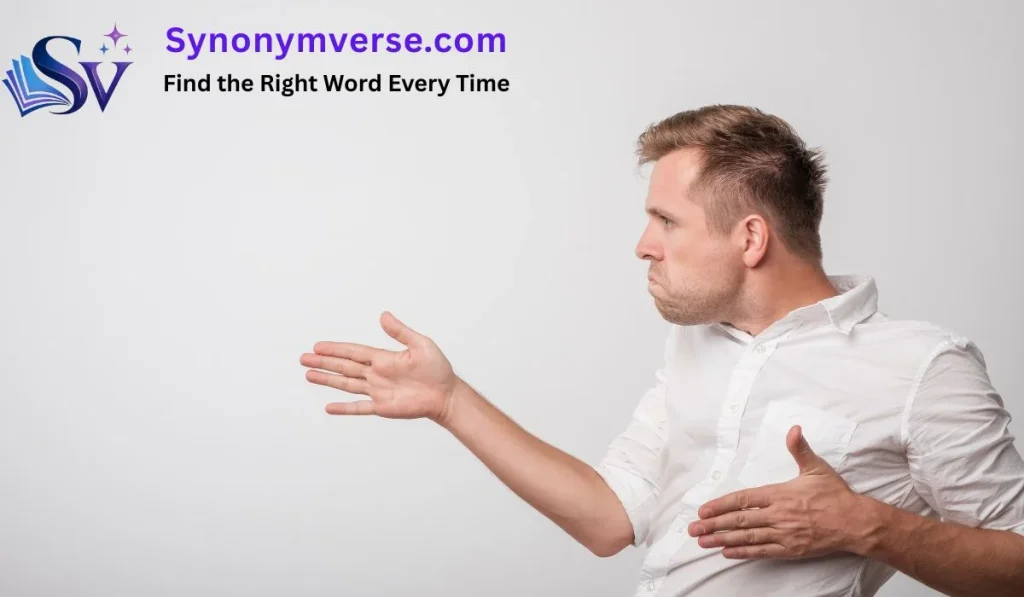
Meaning: Naively enthusiastic, idealistic, or romantic about love or life.
Tone/Register: Descriptive
Example: The starry-eyed young couple planned a dream holiday abroad. She stared at the celebrity with a starry-eyed expression.
Synonyms by Tone
Positive
- Captivated, Enchanted, Adoring, Devoted, Enraptured, Charmed, Fond.
Neutral
- Fascinated, Taken, Attached, Absorbed, Engrossed, Riveted, Keen.
Negative
- Obsessed, Fixated, Besotted, Intoxicated.
Playful / Informal
- Smitten, Infatuated, Hooked, Wild, Head over heels, Sweet on.
Understanding tone matters immensely because choosing the wrong word alters your intent. Calling a colleague “obsessed” sounds critical, whereas describing them as “engrossed” praises their focus.
Mini Comparison: Enamored vs. Infatuated vs. Smitten
| Feature | Enamored | Infatuated | Smitten |
|---|---|---|---|
| Primary Meaning | Deep, ongoing admiration or love | Short-lived, irrational passion | Sudden, strong romantic hit |
| Emotional Depth | Moderate to Deep | Superficial / Intense | Warm and Romantic |
| Tone | Elegant / Literary | Slightly Critical | Casual / Friendly |
| Best Context | Art, nature, deep romance | Brief crushes, sudden crazes | New relationships, charm |
Use enamored for lasting, elegant appreciation. Use infatuated when passion lacks logic or lasting depth. Choose smitten for lighthearted, sudden affection.
Context-Based Usage
Daily Conversation
Stick to casual expressions. Words like “smitten,” “wild about,” or “hooked” feel natural when talking with friends over coffee.
Writing or Blogging
Opt for expressive, warm vocabulary. Words such as “captivated,” “charmed,” or “enchanted” keep readers engaged without sounding overly academic.
Professional or Academic Tone
Maintain objective clarity. Choose precise terms like “fascinated,” “engrossed,” or “keen” to express strong interest professionally.
Creative Storytelling
Use vivid imagery. Words like “enraptured,” “bewitched,” or “moonstruck” bring deep romantic emotion to novel writing.
Common Mistakes & Native Usage
- Wrong Preposition: A very common mistake is saying “enamored to.” Native speakers almost exclusively say “enamored of” or “enamored with.”
- Confusing Intensity: Using “obsessed” when you simply mean “fond” makes your statement sound overly aggressive or unhealthy.
- Overusing Casual Slang: Writing “head over heels” in a formal academic paper lowers the professional quality of your writing.
For further vocabulary refinement, explore our comprehensive guide on descriptive adjectives for creative writing.
Real-Life Mini Scenarios
- Workplace: “Her innovative marketing strategy captivated the board during the annual pitch.”
- Social Situations: “Mark’s hilarious travel stories charmed everyone at the dinner table.”
- Media & Pop Culture: “Moviegoers worldwide remain mesmerized by the groundbreaking visual effects.”
- Storytelling: “He sat spellbound in the grand library, turning ancient parchment pages carefully.”
Conclusion
Expanding your vocabulary opens up brand-new ways to express your thoughts. Swapping basic terms for precise alternatives instantly elevates your personal style.
Whether you write blogs or essays, choosing exact words matters immensely. Clear communication builds stronger connections with readers and listeners everywhere daily.
Try using two new synonyms from this list in your next draft. Practice makes these words a natural part of your vocabulary over time.
Interactive Practice Quiz
- Which synonym best describes a sudden, short-lived, unreasoning crush?
A) Devoted
B) Infatuated
C) Keen
D) Attached - Complete the sentence: “She was completely enamored ______ the scenic mountain views.”
A) to
B) with
C) at
D) for - Which term carries a slightly negative connotation of unhealthy focus?
A) Charmed
B) Enchanted
C) Obsessed
D) Fond - If someone is completely absorbed in reading a textbook, they are:
A) Engrossed
B) Amorous
C) Sweet on
D) Moonstruck - Which word is the most formal and literary?
A) Wild
B) wild
C) Enraptured
D) Hooked - What is the root word of “enamored”?
A) En
B) Amor
C) Ored
D) Name - Choose the correct informal idiom for being deeply in love:
A) Head over heels
B) Starry-eyed
C) Soft on
D) Struck down - Which synonym fits best in a professional business report?
A) Smitten
B) Mad
C) Fascinated
D) Besotted - “Smitten” is best used to convey:
A) Scientific interest
B) Sudden romantic affection
C) Deep hatred
D) Professional duty - What part of speech is “enamored” in standard English usage?
A) Verb
B) Adjective
C) Noun
D) Adverb
Reflection Task: Pick one synonym from the list above and write an original, two-sentence story about a character experiencing a new city.
Answer Key: 1-B, 2-B, 3-C, 4-A, 5-C, 6-B, 7-A, 8-C, 9-B, 10-B
FAQs
1. What is the exact primary synonym for enamored?
The most direct and common primary synonym for enamored is “captivated” or “charmed.” Both words convey a strong sense of deep admiration, delight, and intense attraction toward a person, object, or concept in standard English.
2. Can I use enamored with objects instead of people?
Yes, you can easily use enamored with objects, ideas, or places. For instance, saying someone is enamored with a new city, art style, or book is perfectly natural and grammatically correct in modern English contexts.
3. What is the difference between enamored of and enamored with?
Both phrases are grammatically acceptable in modern English. However, “enamored of” is traditional in formal writing, whereas “enamored with” is widely preferred in casual spoken and written American English today.
4. Is enamored a formal or informal word?
Enamored is considered a slightly formal, elegant word. While it frequently appears in literature, journalism, and academic essays, native speakers also use it in everyday speech to add expressiveness to their thoughts.
5. What is the negative opposite of enamored?
The direct opposite antonyms of enamored are “repulsed,” “disenchanted,” or “indifferent.” These words describe a complete lack of attraction, affection, or interest toward something or someone.

Sophia Carter is the founder and lead writer at SynonymVerse.com, a trusted online resource dedicated to English vocabulary and effective communication. She is passionate about helping students, writers, professionals, and lifelong learners find the most accurate words to express their ideas with clarity and confidence.
At SynonymVerse.com, every article is carefully researched and thoughtfully written to provide reliable guidance on synonyms, word meanings, and vocabulary. With a strong focus on accuracy, real-world usage, and easy-to-understand explanations, the website is committed to helping readers strengthen their language skills, enrich their vocabulary, and become more confident communicators.